

Renters insurance can sometimes help with legal issues by providing liability coverage and paying for legal defense if you’re sued over covered incidents—like accidental property damage or someone getting hurt in your rental. It usually won’t pay for disputes like breaking a lease or suing your landlord, but it can be
Flood insurance rates can vary widely between two nearby homes because pricing is driven by flood risk factors like elevation, flood zone, distance to water, building characteristics, and the chosen coverage limits and deductibles—not just the neighborhood. Small differences in a property’s risk profile can change the premium significantly in Fort Pierce, FL. Flood Insurance Costs Explained: Why Two Homes Can Pay Very Different Rates Why Flood Insurance Pricing Isn’t “One Price Per Neighborhood” Flood risk is highly specific to the exact structure and the exact piece of land it sits on. Two homes can be on the same street and still have different flood exposure due to elevation, drainage, or how water flows during heavy rain and storm events. In our work with clients, a common issue we see is homeowners assuming they’re being overcharged because a neighbor pays less. Usually, the difference comes down to data points insurers use to estimate risk—some of which aren’t obvious unless you know what to look for. Flood insurance pricing is essentially a risk score translated into a premium. The risk score can change quickly from one parcel to the next. The Biggest Factors That Change Flood Insurance Premiums Elevation And “Height Above Flood Level” Elevation is one of the most important drivers. Even a small difference in how high a home sits relative to expected flood levels can change pricing. A house that’s a few feet higher than a nearby home may be less likely to see floodwater enter living areas, which often results in a lower premium. If an Elevation Certificate is available (or can be obtained), it may help clarify how the building sits relative to flood levels, depending on the insurer and policy type. Flood Zone And Floodplain Mapping Flood zones matter because they reflect modeled risk from rivers, storm surge, coastal flooding, and heavy rainfall. Two homes that look close on a map can fall into different zones, especially near zone boundaries. Even within the same broad zone, some properties have different risk designations based on localized data. A common issue we see is confusion between “I’m not in a high-risk zone” and “I can’t flood.” Low-to-moderate risk areas can still flood, and rate differences often reflect that gradient. Distance To Water And Water Flow Patterns Proximity to bodies of water—rivers, canals, lakes, or coastal areas—can influence pricing, but it’s not just distance. How water flows during storms matters, too. Two homes could be equally close to water, but one may sit on a natural drainage path or lower terrain that accumulates runoff. Near the Indian River Lagoon, flood exposure can be influenced by both rainfall drainage and storm-driven water movement. That’s one reason insurers rely on property-specific modeling rather than simple zip-code averages. Building Type And Construction Details Flood insurance often prices the structure based on features like: Foundation type (slab, crawlspace, pilings) First-floor height and the presence of enclosures Number of floors Building occupancy and use (primary residence vs rental vs seasonal) Construction materials and flood openings (where applicable) A home with an elevated structure or flood-compliant construction can price differently than a similar-looking home on a slab foundation. Coverage Limits, Deductibles, And What You’re Insuring Two homeowners can have very different premiums simply because they chose different coverage options. Key choices that affect premium: Building coverage amount Contents coverage amount Deductible (higher deductible usually lowers premium) Replacement cost vs actual cash value (where applicable) Optional endorsements or policy type differences A common issue we see is comparing premiums without comparing deductibles. A neighbor with a lower premium may be taking on a much higher deductible. Claims History And Prior Flood Losses If a property has prior flood losses, that history can affect underwriting and pricing. Even if a new owner buys the home, prior losses tied to the property can influence perceived risk and insurer appetite. How The Property Is Used Flood policies can price differently depending on whether the home is: Owner-occupied primary residence Secondary home Rental property Short-term rental or business use Usage affects exposure because occupancy patterns influence how quickly damage is discovered and mitigated, and how the building is maintained. Why Two Homes On The Same Street Can Have Different Rates Micro-Elevation Differences Sometimes the difference is as simple as one home being built on slightly higher ground or having a higher first-floor elevation. Different Foundation And Enclosure Setups One home might have a crawlspace with proper flood openings, while another is on a slab with lower entry points. Or one might have an enclosed lower level that increases risk. Different Coverage Selections One homeowner may insure the structure at a higher amount or include contents coverage, while the other only insures the building. Different Deductibles A $1,000 deductible and a $10,000 deductible are not comparable policies—even if both are “flood insurance.” Different Insurer Or Policy Type Some people have coverage through different channels or program structures, and that can lead to price differences even with similar homes. The right comparison is always “apples to apples” on coverage and deductible. In Fort Pierce, FL, we often see homes that appear similar but were built in different decades with different foundation standards and elevation profiles. Those structural differences can matter more than most people expect. How To Compare Flood Quotes The Right Way Use This Simple Comparison Checklist When comparing premiums, confirm these match: Building coverage amount Contents coverage amount (if included) Deductible amount(s) Foundation type and first-floor details on the application Occupancy (primary, secondary, rental) Policy effective dates and any waiting period If any of those differ, premium comparisons can be misleading. Ask For The “Rating Inputs” Summary Insurers and agents can often explain which factors are driving a given quote: elevation assumptions, building details, or coverage selections. Sometimes correcting an input (like first-floor height or occupancy) changes the premium meaningfully. In our work with clients, we see quotes improve when the application accurately reflects the home’s real characteristics—especially elevation-related details. Steps Homeowners Can Take To Potentially Reduce Flood Premiums Confirm The Data Is Accurate Make sure the quote reflects: Correct address and building characteristics Correct foundation type Accurate first-floor height if requested Accurate occupancy and usage Consider A Higher Deductible If It Fits Your Budget A higher deductible can reduce premium, but only choose it if you can pay it after a loss without financial strain. Mitigation Improvements Depending on the property and program rules, certain improvements may help, such as: Elevating utilities Installing flood openings where appropriate Improving drainage around the home Using flood-resistant materials in lower areas Mitigation decisions should be practical and cost-justified. Not every improvement is worth it, but some can reduce risk and future damage. Review Coverage Limits Based On What You Need To Protect Some owners are over-insured for contents or under-insured for the building. Align limits with: Replacement or rebuild needs (as applicable) Mortgage requirements The value of your belongings Your ability to self-fund certain losses Near the St. Lucie Inlet area, weather patterns and water movement can change rapidly during storm seasons, and flooding doesn’t always come from one source. A well-structured policy should reflect your real risk and the financial impact of a worst-case scenario. Common Misconceptions About Flood Insurance Costs “If my neighbor pays less, I’m being overcharged.” (Usually not; inputs differ.) “I’m not in a high-risk zone, so I don’t need flood insurance.” (Many floods occur outside high-risk zones.) “Flood insurance covers everything.” (Policies have limits and exclusions.) “I can buy it right before a storm.” (Waiting periods often apply.) In Fort Pierce, FL, many homeowners don’t realize that rainfall flooding and drainage issues can create claims even without major storm surge. Flood insurance can be a key backstop when water enters from outside and damages floors, walls, and contents. Conclusion Flood insurance premiums can vary dramatically between two nearby homes because pricing is driven by property-specific risk factors—elevation, flood zone data, proximity to water, building design, and the coverage and deductible choices on the policy. The best way to understand your cost is to compare quotes with identical coverage settings and verify the application details are accurate. If you’d like help reviewing flood quotes and the key rating factors for your property in Fort Pierce, FL, the team at ACW Insurance Agency LLC can help you evaluate options and choose coverage that fits both your risk and your budget. At ACW Insurance Agency LLC, we are dedicated to providing our clients with comprehensive and affordable insurance policies. Our commitment extends to going the extra mile to address your specific needs. To learn more about how we can assist you, please contact our agency at (772) 261-2573 or CLICK HERE to request a free quote. Disclaimer: The information presented in this blog is intended for informational purposes only and should not be considered as professional advice. It is crucial to consult with a qualified insurance agent or professional for personalized advice tailored to your specific circumstances. They can provide expert guidance and help you make informed decisions regarding your insurance needs. ACW Insurance Agency LLC Fort Pierce, FL (772) 261-2573 https://www.acwinsuranceagency.com/
Filing a cancer insurance claim is usually straightforward when you gather the right documents, submit the insurer’s claim form promptly, and confirm the diagnosis and treatment details match the policy’s covered benefits. The most common delays come from missing pathology reports, incomplete physician statements, or m
Return of Premium (ROP) life insurance is a type of term life policy that can refund some or all premiums you paid if you outlive the term, as long as the policy stays active and premiums are paid on time. It typically costs more than standard term life, so the decision comes down to whether you value the “refund featu

When roommates share a home or apartment, insurance coverage should be separate—not combined—to avoid coverage gaps, disputes, and denied claims. Individual renters insurance policies ensure each roommate’s belongings and liability are properly protected. In our years of professional service assisting renters and young professionals in Fort Pierce, FL, we’ve seen separate coverage consistently provide clearer protection and fewer complications when claims arise. Why Roommates Often Get Insurance Wrong Living with roommates is common, but insurance decisions are often made casually—or not at all. A frequent mistake is assuming one renters insurance policy can cover everyone in the household. In reality, renters insurance is designed to protect one named insured (or family unit). When unrelated roommates try to share coverage, problems often surface at the worst possible time: during a claim. Why One Shared Policy Usually Isn’t Enough While it may seem cost-effective, shared renters insurance rarely works as intended. Common Problems with Shared Coverage Issues often include: Coverage limits spread too thin Disputes over claim payouts Excluded roommates not listed on the policy Liability gaps if one roommate causes damage Even when allowed, shared policies often create more risk than protection. How Renters Insurance Is Structured Renters insurance is built around individual responsibility. What a Standard Renters Policy Covers A typical renters insurance policy includes: Personal property coverage Personal liability coverage Loss of use coverage Each of these sections is tied to the named insured—not the household as a whole. Personal Property: Why Separate Coverage Matters Most Roommates rarely own the same things—or the same value of belongings. Why Individual Policies Work Better Separate policies allow: Customized coverage limits Accurate valuation of belongings Independent claims without disputes If one roommate experiences a loss, their coverage responds without affecting the other. Liability Risks Are Personal—Not Shared Liability is one of the most important reasons roommates should have separate policies . How Liability Claims Create Exposure Liability coverage applies if you: Accidentally injure someone Cause damage to someone else’s property Are held legally responsible for a loss If only one roommate has coverage, the uninsured roommate may be personally exposed. What Happens During a Claim with Shared Insurance Claims reveal coverage weaknesses quickly. Common Claim Issues with Shared Policies We often see: Arguments over who owns damaged items Delays while insurers investigate ownership Reduced payouts due to unclear responsibility Separate policies eliminate these complications. Loss of Use Coverage and Roommates Loss of use coverage helps pay for temporary housing after a covered loss. Why Separate Policies Are Safer With individual policies: Each roommate can claim their own expenses Coverage reflects personal living arrangements Claims are processed independently Shared coverage can complicate reimbursements. Cost Comparison: Separate vs. Shared Policies Many renters assume separate policies are expensive. Why Separate Coverage Is Often Affordable Renters insurance policies are typically: Low-cost Flexible in coverage amounts Based on individual risk profiles The cost difference between shared and separate policies is often minimal—especially compared to the risk reduction. What Landlords and Leases May Require Lease agreements increasingly require renters insurance . How Lease Requirements Affect Roommates Some landlords: Require each tenant to carry their own policy Mandate minimum liability limits per person Do not accept shared coverage Reviewing lease terms is essential before choosing coverage. Roommate Changes and Policy Stability Roommate arrangements change frequently. Why Separate Policies Offer Flexibility With individual policies: Coverage sta ys intact if a roommate moves out No policy updates are needed for household changes Claims history sta ys personal Shared policies often need frequent updates—or risk invalidation. Renting and Shared Living Situations Shared living is common in many rental markets. Renters living near downtown corridors, coastal access points, or employment hubs often move frequently or change roommates year to year. These realities make flexible, individual coverage especially practical for renters managing shared housing arrangements in Fort Pierce, FL. Common Misconceptions About Roommate Insurance Misunderstandings lead to uncovered losses. Misconceptions We Frequently Hear “My roommate ’s policy covers me” “We split the premium, so we’re both protected” “The landlord’s ins urance will cover our stuff” In reality, landlord insurance does not cover tenant belongings. When Roommates Should Review Their Coverage Coverage should reflect living arrangements. Good Times to Review Policies Reviews are recommended when: Moving in with new roommates Purchasing high-value items Lease terms change One roommate move s out Regular reviews keep coverage aligned with reality. Separate Coverage = Clear Protection Renters insurance works best when it’s simple, clear, and personal. Separate policies for roommates reduce conflict, eliminate confusion, and ensure everyone is properly protected—no matter what happens. At ACW Insurance Agency LLC, we are dedicated to providing our clients with comprehensive and affordable insurance policies. Our commitment extends to going the extra mile to address your specific needs. To learn more about how we can assist you, please contact our agency at (772) 261-2573 or CLICK HERE to request a free quote. ACW Insurance Agency LLC Address: Fort Pierce, FL Phone: (772) 261-2573 Website: https://www.acwinsuranceagency.com/
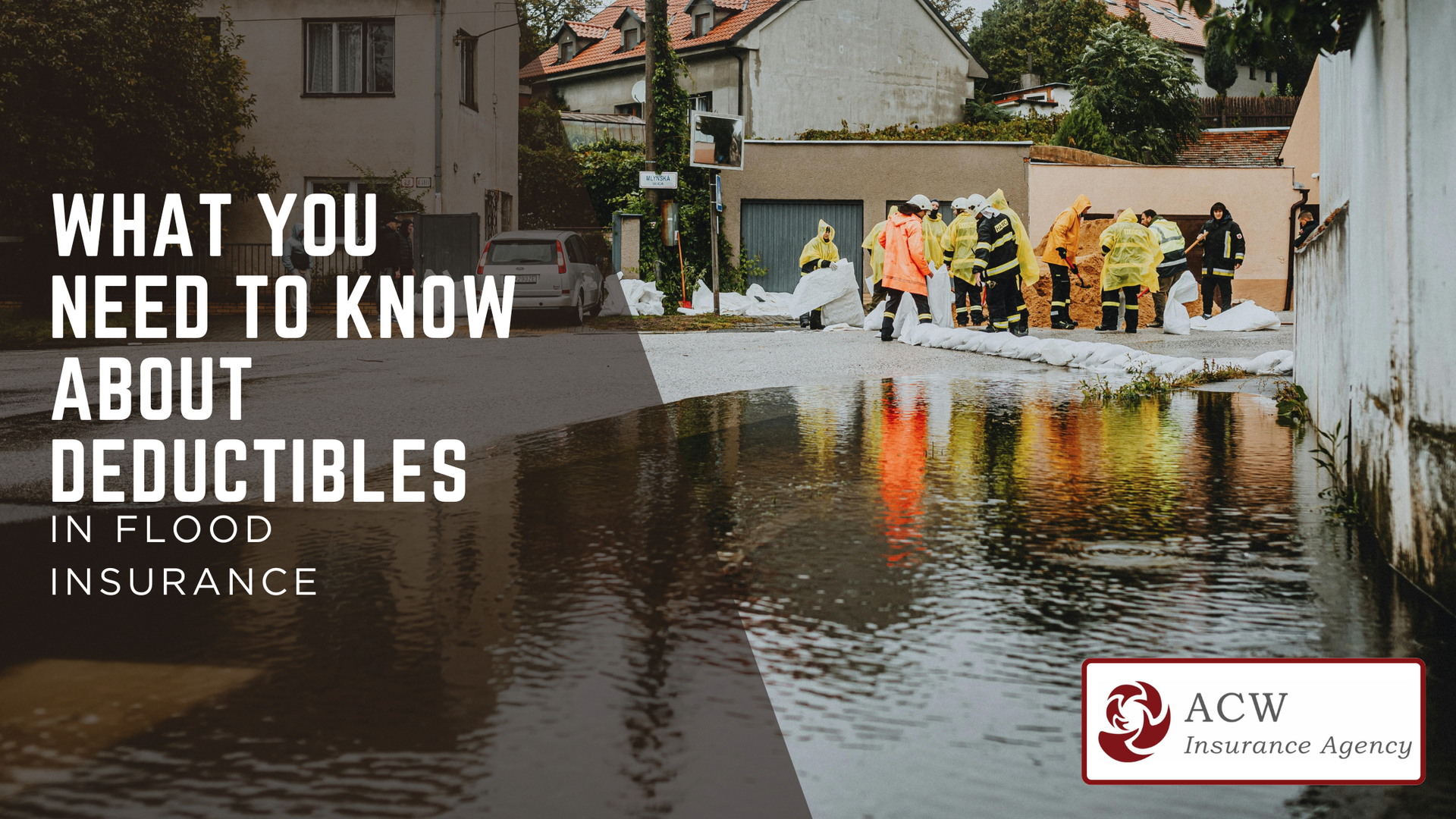
Flood insurance deductibles determine how much you pay out of pocket before coverage applies, and choosing the right deductible can significantly impact both premiums and claim outcomes. Higher deductibles lower premiums but increase financial responsibility after a loss, while lower deductibles offer more immediate protection. In our years of professional service helping homeowners in Fort Pierce, FL, we’ve found that understanding flood deductibles is critical to avoiding unexpected costs after a flood event. Why Flood Insurance Deductibles Deserve Special Attention Flood insurance works differently than standard homeowners insurance. One of the most important—and often misunderstood—elements is the deductible structure. Unlike many other policies, flood insurance may include separate deductibles for different parts of coverage, making it essential to understand how they apply before a loss occurs. How Flood Insurance Deductibles Work A deductible is the amount you pay before your insurance benefits begin. Basic Deductible Concept With flood insurance: The deductible is subt racted from the claim payment You are responsible for covering that portion of the loss Deductibles directly aff ect premium cost The deductible you choose should align with both your budget and risk tolerance. Building vs. Contents Deductibles Flood insurance typically separates coverage into two categories. Building Coverage Deductible This deductible applies to damage involving: The stru cture itself Foundation, walls, and floors Electrical and plumbing systems Built-in ap pliances If your home sustains structural flood damage, this deductible applies first. Contents Coverage Deductible This deductible applies to personal belongings such as: Fur niture Clothing Electronics Portabl e appliances Contents claims are handled separately from building claims, which means two deductibles may apply during a single flood event. Why Separate Deductibles Matter Many policyholders assume there is only one deductible. How This Affects Claims If both your home and belongings are damaged: The building deductible applies to structural repairs The contents d eductible applies to personal property losses This distinction can significantly affect out-of-pocket costs. Common Flood Insurance Deductible Options Flood insurance policies often offer deductible choices. Typical Deductible Ranges Deductibles may range from: $1,00 0 to $10,000 or more Different amounts for building and contents Higher deductibles reduce premiums but increase financial exposure after a flood. The Trade-Off Between Premiums and Deductibles Choosing a deductible involves balancing cost savings and risk. Lower Deductibles Pros: Lowe r out-of-pocket cost after a claim Faster f inancial recovery Cons: Higher annual premiums Higher Deductibles Pros: Lowe r premiums Long-ter m cost savings Cons: Higher financial burden after a flood In our professional experience, the “right” deductible depends on savings, income stability, and flood risk exposure. Flood Risk and Deductible Selection Flood risk varies widely by location and property type. Factors That Influence Risk These include: Proximity to water sources Elevation and flood zone classification Property construction type Drainage patte rns Homes near waterways, coastal corridors, or low-lying areas often require more careful deductible planning—something we frequently discuss with clients in Fort Pierce, FL. How Deductibles Affect Small vs. Large Claims Not all flood claims are catastrophic. Smaller Flood Losses With higher deductibles: Minor damage may not exceed the deductible Claims may result in no payment Larger Flood Losses For major events: D eductibles become a smaller percentage of total repair costs Insu rance provides substantial financial relief Understanding this distinction helps set realistic expectations. Mortgage Requirements and Deductibles Lenders may influence deductible choices. What to Know About Lender Rules Some mortgage lenders: Limit ho w high deductibles can be Require dedu ctibles not to exceed a percentage of coverage Reviewing lender requirements is essential before selecting deductible amounts. NFIP vs. Private Flood Insurance Deductibles Flood insurance can come from different sources. Deductible Differences to Understand NFIP polic ies have standardized deductible structures Private flood policies may offer more flexibilit Private policies sometimes allow higher or customized deductibles Each option has trade-offs that should be reviewed carefully. Common Deductible Mistakes We See Misunderstandings often lead to financial surprises. Frequent Mistakes Choosing t he highest deductible without savings to support it Forgetting that building and contents deductibles are separate Assuming flood deductibles work like homeowners deductibles Not revisiting deductible s after financial changes These issues often surface only after a loss. When to Reevaluate Your Flood Insurance Deductible Deductibles should be reviewed periodically. Good Times to Reassess Consider reevaluating when: Income or savings change Renovations are completed Flood zone classifications update Premiums increa se significantly Regular reviews help ensure deductibles still align with your financial situation. Flood Preparedness and Financial Planning Flood exposure is not just about water—it’s about recovery. Homeowners managing properties near coastal access points, rivers, or drainage basins often face unique rebuilding timelines and costs. These realities are an important part of deductible planning for families in Fort Pierce, FL. Deductibles Are a Financial Decision—Not Just a Policy Detail Flood insurance deductibles play a major role in how affordable and effective your coverage will be when it matters most. Understanding how they work empowers you to make informed choices that protect both your property and your finances. At ACW Insurance Agency LLC, we are dedicated to providing our clients with comprehensive and affordable insurance policies. Our commitment extends to going the extra mile to address your specific needs. To learn more about how we can assist you, please contact our agency at (772) 261-2573 or CLICK HERE to request a free quote. ACW Insurance Agency LLC Address: Fort Pierce, FL Phone: (772) 261-2573 Website: https://www.acwinsuranceagency.com/

Cancer insurance is designed to help cover the financial gaps that traditional health insurance may leave behind, even for people who are currently healthy. While no one expects a diagnosis, unexpected costs related to treatment, travel, and time away from work can add up quickly. In our years of professional service assisting individuals and families in Fort Pierce, FL, we’ve seen how planning ahead can reduce financial stress during an already difficult time. Why Cancer Insurance Is Often Overlooked by Healthy Individuals Many people assume that if they are healthy and have major medical insurance, additional coverage is unnecessary. This assumption is understandable—but it can be incomplete. Health insurance typically focuses on: Hospitalization and medical treatment Network-based care Deductibles, copays, and coinsurance Cancer insurance , by contrast, is designed to address non-medical and out-of-pocket costs that arise alongside treatment. What Cancer Insurance Actually Covers Cancer insurance is a supplemental policy that pays benefits if you are diagnosed with cancer. These benefits are usually paid directly to you, not to healthcare providers. Common Expenses Cancer Insurance May Help With Benefits can often be used for: Deductibles and copays Out-of-network treatment costs Transportation to treatment centers Lodging during extended care Lost income from missed work Household and childcare expenses The flexibility of how benefits are used is one of the main advantages of this coverage . Why Being “Healthy” Doesn’t Eliminate Risk Good health today does not guarantee immunity tomorrow. Cancer Risk Is Broader Than Many Realize Cancer diagnoses affect people who: Have no family history Maintain healthy lifestyles Are physically active Have no prior medical conditions Age, environment, and genetics can all play a role, and diagnoses often come without warning. The Financial Reality of a Cancer Diagnosis The emotional toll of cancer is significant—but so is the financial impact. Common Financial Challenges After Diagnosis Many individuals face: High out-of-pocket medical costs Time away from work Reduced household income Travel expenses f or specialized care Even with solid health insurance, these costs can create financial strain. How Cancer Insurance Complements Health Insurance Cancer insurance is not a replacement for health coverage—it’s a supplement. Key Differences Between the Two Health insurance typically: Pays prov iders directly Limits coverage by networks Requires cost-sh aring Cancer insurance typically: Pay s benefits directly to you Has no network restrictions Allows flexib le use of funds Together, they provide broader financial protection. Lump-Sum vs. Treatment-Based Benefits Not all cancer insurance policies are structured the same way. Common Benefit Structures Policies may offer: Lum p-sum payouts upon diagnosis Scheduled benefits for specific treatments Recurring ben efits for ongoing care Understanding how benefits are triggered is critical when evaluating value. Why Younger and Healthy Individuals Often Get Better Rates Health status plays a role in eligibility and pricing. Advantages of Buying Coverage Early Healthier applicants often benefit from: Lower premiums Easier underwriting Broader policy options Waiting until health changes may limit availability or increase costs. Cancer Insurance and Lifestyle Stability Cancer affects more than just health—it disrupts daily life. Non-Medical Costs People Often Underestimate These may include: Fuel and transportation Meals away from home Temporary caregiving services Utility and housing expenses Cancer insurance provides flexibility during these disruptions. Planning for Real-World Expenses Access to specialized care often requires travel and time commitments. Individuals who live near coastal corridors, recreational areas, or rely on regional treatment centers along the Indian River Lagoon frequently face additional logistical expenses when seeking care. These realities are commonly considered by families planning ahead in Fort Pierce, FL. Who Should Consider Cancer Insurance Most Seriously? While anyone can benefit, cancer insurance may be especially relevant for: Self-employed individuals Households with one primary income Families with limited emergency savings People with high-deductible health plans Healthy individuals often fit these profiles more than they realize. Common Misconceptions About Cancer Insurance Misunderstandings often prevent people from considering coverage. Misconceptions We Frequently Hear “My health insurance will cover everything” “Cancer insurance is only for high-risk people” “I can buy it later if I need it” By the time coverage is “needed,” it may no longer be available. Weighing Cost vs. Peace of Mind Cancer insurance premiums are typically modest compared to potential benefits. Questions to Ask Yourself Consider: Could I handle sev eral months of reduced income? Do I have savings set aside for unexpected medical travel? Would financial stress make recovery harder? These questions often clarify whether the coverage makes sense. Reviewing Coverage as Life Changes Your insurance needs evolve over time. Good Times to Revisit Coverage Reevaluation is wise when: Inco me changes Family size grows Health plans change Emergency savin gs fluctuate Regular reviews help ensure coverage stays aligned with real-world needs. Is Cancer Insurance Worth It for Healthy People? For many healthy individuals, cancer insurance is less about expecting a diagnosis and more about protecting financial stability if the unexpected happens. It offers flexibility, peace of mind, and support when traditional coverage may fall short. At ACW Insurance Agency LLC, we are dedicated to providing our clients with comprehensive and affordable insurance policies. Our commitment extends to going the extra mile to address your specific needs. To learn more about how we can assist you, please contact our agency at (772) 261-2573 or CLICK HERE to request a free quote. ACW Insurance Agency LLC Address: Fort Pierce, FL Phone: (772) 261-2573 Website: https://www.acwinsuranceagency.com/

Life insurance can feel complex, but understanding the terminology makes it far easier to choose, manage, and use a policy effectively. Knowing what common life insurance terms actually mean helps you avoid misunderstandings, coverage gaps, and costly mistakes. In our years of professional service assisting individuals and families in Fort Pierce, FL, we’ve seen that education is one of the most powerful tools policyholders can have. Why Understanding Life Insurance Terminology Matters Life insurance policies are legal contracts filled with precise language. While agents help explain options, policyholders ultimately benefit most when they understand the terminology themselves. Clear knowledge helps you: Understand what triggers benefits Know when coverage applies or ends Avoid surprises during claims This glossary focuses on the most important life insurance terms every policyholder should know. Core Life Insurance Terms Explained These foundational terms appear in nearly every policy . Policyholder The policyholder is the person who owns the life insurance policy. This individual controls: B eneficiary designations Coverage changes Premium paymen ts The policyholder may or may not be the insured person. Insured The insured is the person whose life is covered by the policy. When the insured passes away, the policy pays a death benefit (assuming the policy is active). Beneficiary A beneficiary is the person or entity designated to receive the policy’s death benefit. Beneficiaries can be: In dividuals Trusts Estates Charitable organizati ons Keeping beneficiaries updated is essential to ensure benefits go where intended. Death Benefit The death benefit is the amount paid to beneficiaries when the insured dies. This money is typically: Inc ome-tax free Paid as a lump sum or structured payout Used for inco me replacement, debts, or final expenses Policy Structure and Payment Terms These terms describe how the policy functions financially. Premium A premium is the amount paid to keep the policy active. Premiums may be: Monthly, quarterly, or annual Fixed or adjustable Influenced by ag e, health, and policy type Missed premiums can cause policies to lapse. Face Amount The face amount is the original coverage amount listed on the policy . It generally equals the death benefit, though riders or loans can affect the final payout. Policy Term Policy term refers to the length of time coverage lasts. Term life policies are issued for specific periods, such as: 10 years 20 years 30 years Permanent life policies do not expire as long as premiums are paid. Term Life Insurance Terminology Term life insurance has its own set of key terms. Level Term Level term means the death benefit stays the same for the entire policy term, and premiums usually remain consistent. Renewable Term A renewable term policy allows you to extend coverage after the initial term ends, often without a medical exam—though premiums typically increase. Convertible Term Convertible term policies allow you to convert term coverage into permanent coverage without new medical underwriting, subject to policy rules. Permanent Life Insurance Terminology Permanent life insurance includes additional components beyond basic coverage. Whole Life Insurance Whole life insurance provides lifetime coverage with: Fi xed premiums Guaranteed death benefit Cash value acc umulation It is designed for long-term planning and stability. Universal Life Insurance Universal life insurance offers more flexibility. Policyholders may be able to adjust: Premium amounts Death benefit levels Cash value growth strategies Cash Value Cash value is the savings component found in permanent life policies. It: Grows over time Can be borrowed against May be accessed through withdrawals Accessing cash value can reduce the death benefit if not managed carefully. Riders and Optional Features Riders customize coverage to meet specific needs. Rider A rider is an optional add-on that modifies the base policy. Common riders include: Accelerated death benefit Waiver of premium Child rider Riders add flexibility but may increase premiums. Accelerated Death Benefit This rider allows access to a portion of the death benefit if the insured is diagnosed with a qualifying terminal or chronic illness. Waiver of Premium A waiver of premium rider pauses premium payments if the insured becomes disabled, while keeping coverage active. Policy Performance and Value Terms These terms explain how policies grow and are evaluated. Dividend Some participating whole life policies may pay dividends. Dividends: Are not guaranteed May be used to reduce premiums Can increase cash value or death benefit Surrender Value The surrender value is the amount you receive if you cancel a permanent life policy. It reflects: Cash value Minus surrender charges and loans Early surrender often results in reduced payouts. Surrender Charge A surrender charge is a fee applied if a policy is canceled within a certain timeframe, often during the early years of coverage. Health and Underwriting Terms These terms relate to how insurers assess risk. Underwriting Underwriting is the process insurers use to evaluate risk. It may include: Health questionnaires Medical exams Prescription history Lifestyle fact ors Underwriting determines eligibility and pricing. Preferred, Standard, and Substandard These classifications reflect health risk levels: P referred: Lower risk, lower premiums Standard: Average risk Substa ndard: Higher risk, higher premiums Common Policy Management Terms Understanding these terms helps with ongoing policy use. Grace Period The grace period is a window (usually 30–31 days) after a missed premium where coverage remains active. Lapse A lapse occurs when a policy terminates due to unpaid premiums beyond the grace period. Reinstatement Reinstatement allows a lapsed policy to be restored, often requiring: Back p remiums Proof of insurability Why Clarity Matters for Real Families Life insurance often intersects with real-life responsibilities—mortgages, families, and long-term planning. Households managing financial priorities near the downtown waterfront or along the Indian River Lagoon benefit most when policies are clearly understood and intentionally structured, a lesson we regularly see among clients in Fort Pierce, FL. Common Life Insurance Misunderstandings Many policy issues stem from unclear terminology. Misconceptions We Frequently See C onfusing policyholder and beneficiary roles Assuming cash value is free money Overlooking rider limitations Forgetti ng to update beneficiaries Clear definitions help prevent these problems. Why a Glossary Is a Smart Starting Point Life insurance doesn’t need to be intimidating. Understanding the language used in policies empowers you to ask better questions, compare options confidently, and make decisions that truly align with your goals. At ACW Insurance Agency LLC, we are dedicated to providing our clients with comprehensive and affordable insurance policies. Our commitment extends to going the extra mile to address your specific needs. To learn more about how we can assist you, please contact our agency at (772) 261-2573 or CLICK HERE to request a free quote. ACW Insurance Agency LLC Address: Fort Pierce, FL Phone: (772) 261-2573 Website: https://www.acwinsuranceagency.com/
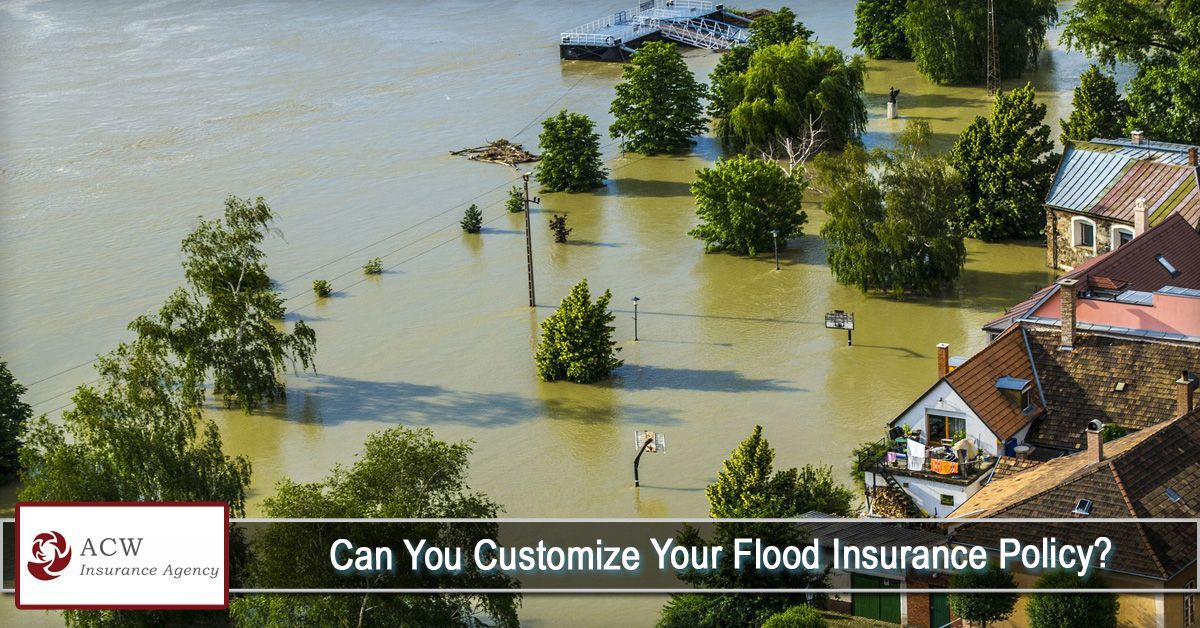
Flooding is one of the most common—and costly—natural disasters in the United States. Whether caused by heavy rain, storm surge, or sudden infrastructure failures, flood damage can devastate homes and businesses in minutes. That’s why flood insurance is so critical. But here’s a question many property owners ask: Can you customize your flood insurance policy to better match your needs? The short answer is yes. Both federal and private flood insurance providers offer options to tailor your coverage. Understanding these options can help ensure you’re properly protected without overpaying. This guide explains how flood insurance customization works, what your options are, and how to choose the right level of protection for your property. Understanding Standard Flood Insurance Most flood insurance policies in the U.S. are issued through the National Flood Insurance Program (NFIP), managed by FEMA. These policies offer standardized coverage limits and rules, which means customization options within the NFIP are limited—but they do exist. NFIP typically covers: Up to $250,000 for residential building coverage Up to $100,000 for personal contents Specific types of damage outlined by FEMA Replacement cost or actual cash value depending on the structure and contents If you want coverage beyond these limits or for specific types of property, that’s where customization becomes important. Can You Customize Your Flood Insurance Policy? Yes—depending on whether you purchase NFIP coverage, private flood insurance, or a combination of both. Here’s what you can tailor: 1. Add Excess Coverage Through Private Insurers If your home value or belongings exceed NFIP limits, you can buy excess flood insurance. This acts as supplemental coverage. Benefits include: Higher building coverage limits Higher personal property coverage Additional living expense protection Broader covered causes of loss This is especially valuable for high-value homes or large families with significant personal property. 2. Customize Coverage Types NFIP policies have strict exclusions, but private insurers often allow more customization, such as: Additional living expenses while your home is being repaired Pool repair Decks, patios, and outbuildings Basement improvements, such as finished walls or flooring Short-term rental coverage if you use your home as an Airbnb Private policies vary by insurer, so it’s important to compare their offerings. 3. Choose Higher or Lower Deductibles Flood insurance deductible options typically range from $1,000 to $10,000. A higher deductible: Lowers your premium Increases your out-of-pocket costs after a flood A lower deductible: Raises your monthly premium Reduces financial strain at claim time Your agent can help you choose a deductible that fits your budget and risk tolerance. 4. Add Building or Contents Coverage Separately You may purchase: Building-only coverage Contents-only coverage Both building and contents coverage This flexibility helps renters, landlords, and property investors tailor their protection. 5. Customize Business Flood Insurance Commercial flood insurance offers more flexibility and higher limits. Customization options for businesses may include: Loss of income coverage Expanded building and contents coverage Inventory replacement Equipment and machinery protection Business interruption add-ons This is especially important in disaster-prone areas. Private Flood Insurance vs. NFIP: Which Offers More Customization? NFIP Pros: Federally backed Required by most lenders in high-risk zones Available everywhere NFIP Cons: Limited customization Lower coverage caps No additional living expense coverage Private Flood Insurance Pros: Higher coverage limits More customizable add-ons Often faster claims processing May cost less than NFIP policies Private Flood Insurance Cons: Not available in all areas Not always accepted by every mortgage lender For many homeowners, pairing NFIP coverage with supplemental private insurance offers the best balance. Flood Insurance and Local Risk Awareness Many homeowners in Fort Pierce, FL choose to customize their flood insurance because local flood risks—from hurricanes to heavy rainfall—can vary significantly from one neighborhood to another. Tailoring a policy ensures coverage that reflects your property’s actual exposure. Questions to Ask Before Customizing Your Policy To make the best choice, ask the following: 1. What is the flood risk for my property? Check FEMA flood maps and consult local experts. 2. Do I need more coverage than NFIP provides? High-value homes and businesses often do. 3. How much would the replacement of my belongings actually cost? Many people underestimate this. 4. Do I need coverage for temporary housing or business interruption? These are only available through private insurers. 5. What are my lender’s requirements? Mortgage companies may require specific coverage levels. Is Customizing Flood Insurance Worth It? In most cases—yes. Customization allows you to: Avoid coverage gaps Protect high-value assets Add essential benefits like temporary housing Reduce long-term financial risk Given the increasing frequency and severity of storms, especially in coastal regions, a tailored flood policy can offer peace of mind that generic coverage might not. Conclusion Flood insurance isn’t one-size-fits-all. While basic NFIP coverage is a great foundation, private insurers offer customization options that can greatly enhance your protection. Whether you’re safeguarding a home, rental property, or business, tailoring your policy ensures you’re covered exactly where you need it most. If you live in or around Fort Pierce, FL, customizing your flood insurance can help address the area’s unique coastal risks and unpredictable weather patterns. At ACW Insurance Agency LLC, we are dedicated to providing our clients with comprehensive and affordable insurance policies. Our commitment extends to going the extra mile to address your specific needs. To learn more about how we can assist you, please contact our agency at (772) 261-2573 or CLICK HERE to request a free quote. Disclaimer: The information presented in this blog is intended for informational purposes only and should not be considered as professional advice. It is crucial to consult with a qualified insurance agent or professional for personalized advice tailored to your specific circumstances. They can provide expert guidance and help you make informed decisions regarding your insurance needs.

Life insurance is one of the most important financial tools for protecting your loved ones—but the cost of coverage varies widely depending on your age and health. Many people don’t realize just how much timing impacts life insurance premiums. Buying a policy when you're young and healthy is dramatically more affordable than waiting until health issues or age-related risks appear. Whether you're in your twenties or approaching retirement, understanding how premiums change over time can help you make smarter, more cost-effective decisions. This guide breaks down why age matters, how insurers assess risk, and what steps you can take to secure better rates. Why Age Plays a Major Role in Life Insurance Costs Life insurance companies price policies based on risk—specifically, the risk that they will need to pay out a claim. Since risk increases as we age, so do policy costs. Key reasons age affects premiums: Higher likelihood of health issues Increased mortality risk Greater chance of chronic illness More impactful lifestyle factors (e.g., blood pressure, cholesterol) This is why the same policy can cost triple—or more—if purchased later in life. Premiums at Different Life Stages: What to Expect 1. In Your 20s: The Lowest Rates You’ll Ever See When you're young and generally healthy, insurers view you as low risk. Advantages at this stage: Lowest possible premiums Easier approval, even for larger policies Ability to lock in low rates for decades Greater financial flexibility Buying life insurance early is one of the smartest long-term financial decisions you can make. 2. In Your 30s: Still Affordable, but Starting to Climb Most people begin to see rates rise in their 30s as the risk curve shifts. Typical changes in your 30s: Slightly higher premiums More focus on income replacement (for young families) Increased underwriting scrutiny Still, this is a great time to purchase coverage before rates rise sharply. 3. In Your 40s: Rates Increase More Noticeably By your 40s, insurers expect more health changes and potential medical expenses. Factors often affecting cost: Hig her BMI Blood pressure changes Mild chronic conditions Family medical his tory impacts Premiums remain manageable, but the difference compared to younger years can be significant. 4. In Your 50s: Risk Factors Become More Pronounced Insurance becomes substantially more expensive in your 50s. Insurers expect greater health-related risk. Common issues at this stage: High b lood pressure Diabetes or pre-diabetes Heart health concerns Joint or mobility iss ues Coverage is still very attainable—but expect much higher premiums. 5. In Your 60s and Beyond: Limited and Costly Options By now, life insurance costs are at their highest and policy options more limited. Expect: Higher p remiums for all types of coverage Fewer term options Stricter underwriting Possible need for guara nteed-issue or final-expense insurance This is the most expensive time to buy life insurance, which is why acting early is so important. How Health Changes Impact Premiums Over Time Health is closely linked to age, and even small changes may affect your rate class. Insurers evaluate: Heart h ealth BMI and weight history Blood pressure Cholesterol levels Smoking habits Prescription medication use Family health history The healthier you are when you apply, the better your rate. Lifestyle Habits That Influence Life Insurance Pricing Certain behaviors raise risk—and premiums. May increase costs: Smoking or vaping Risky hobbies (skydiving, scuba diving) DUI or traffic violations Poor diet or inactivity High-stress occupations Improving your lifestyle over time can help reduce premiums or qualify you for better rates in the future. Why Buying Early Saves Money Long-Term Locking in a policy when you’re young has major financial benefits: Rates stay the same for the entire term You avoid potential disqualification after health changes You can secure larger coverage amounts affordably You protect your family sooner rather than later Waiting even a few years can dramatically increase your lifetime cost of coverage. In Fort Pierce, FL, growing families and retirees often have varying insurance needs. Because Florida residents may face unique health and lifestyle factors—such as climate-related stress, outdoor job demands, or regional healthcare considerations—buying life insurance early can help secure affordable long-term protection. Can You Lower Your Premium if You Apply Later in Life? Yes—sometimes. Insurers may reconsider your rate if your health improves significantly. Examples include: Quitti ng smoking for 12+ months Losing weight Lowering blood pressure or cholesterol Improving blood sugar le vels While this won’t eliminate age-related increases, it can help offset them. Types of Life Insurance and How Age Influences Cost Term Life Insurance More affor dable at any age Cost rises sharply with each decade Best purchased ea rly to maximize term length and savings Whole Life Insurance More ex pensive but includes guaranteed cash value Rates set at purchase and never change Best purchased when young for long-term value Final Expense Insurance D esigned for seniors Minimal underwriting Higher cos t–but accessible even with health issues Conclusion Life insurance premiums increase as you age because health risks naturally rise over time. The earlier you secure coverage, the more affordable and predictable your rates will be. Whether you're just starting your financial journey or planning for retirement in Fort Pierce, FL, understanding how age impacts life insurance costs can help you choose the right policy at the right time. It’s never too early to protect your loved ones—but waiting too long can make coverage more expensive or harder to obtain. Taking action now ensures financial security and peace of mind for the future. At ACW Insurance Agency LLC, we are dedicated to providing our clients with comprehensive and affordable insurance policies. Our commitment extends to going the extra mile to address your specific needs. To learn more about how we can assist you, please contact our agency at (772) 261-2573 or CLICK HERE to request a free quote. Disclaimer: The information presented in this blog is intended for informational purposes only and should not be considered as professional advice. It is crucial to consult with a qualified insurance agent or professional for personalized advice tailored to your specific circumstances. They can provide expert guidance and help you make informed decisions regarding your insurance needs.